

Dream-Like GAP Tour
Tour Detail
Ready to explore Mesopotamian history with Wilusa Tur? Dreamlike GAP Tour, 6 days with 4 nights hotel accommodation.
After picking up our guests from the specified points, we begin our journey with Wilusa Tur on the Dreamlike GAP Tour.
Tour Program
Day 1: Çanakkale – Night Journey
Pickup points: 18:00 Troya Caddesi Wilusa Garage, 17:30 Lapseki Teachers' House Front, 18:30 Biga Shopping Mall Front.
After picking up our guests from the specified points, we begin our journey with Wilusa Tour for the Dreamlike GAP Tour.
Day 2: Adana – Gaziantep
Route: Adana – Taşköprü – Sabancı Mosque – Gaziantep – Gaziantep Castle – Coppersmiths' Bazaar – Almacı Market – Tahmis Coffeehouse – Zeugma Mosaic Museum.
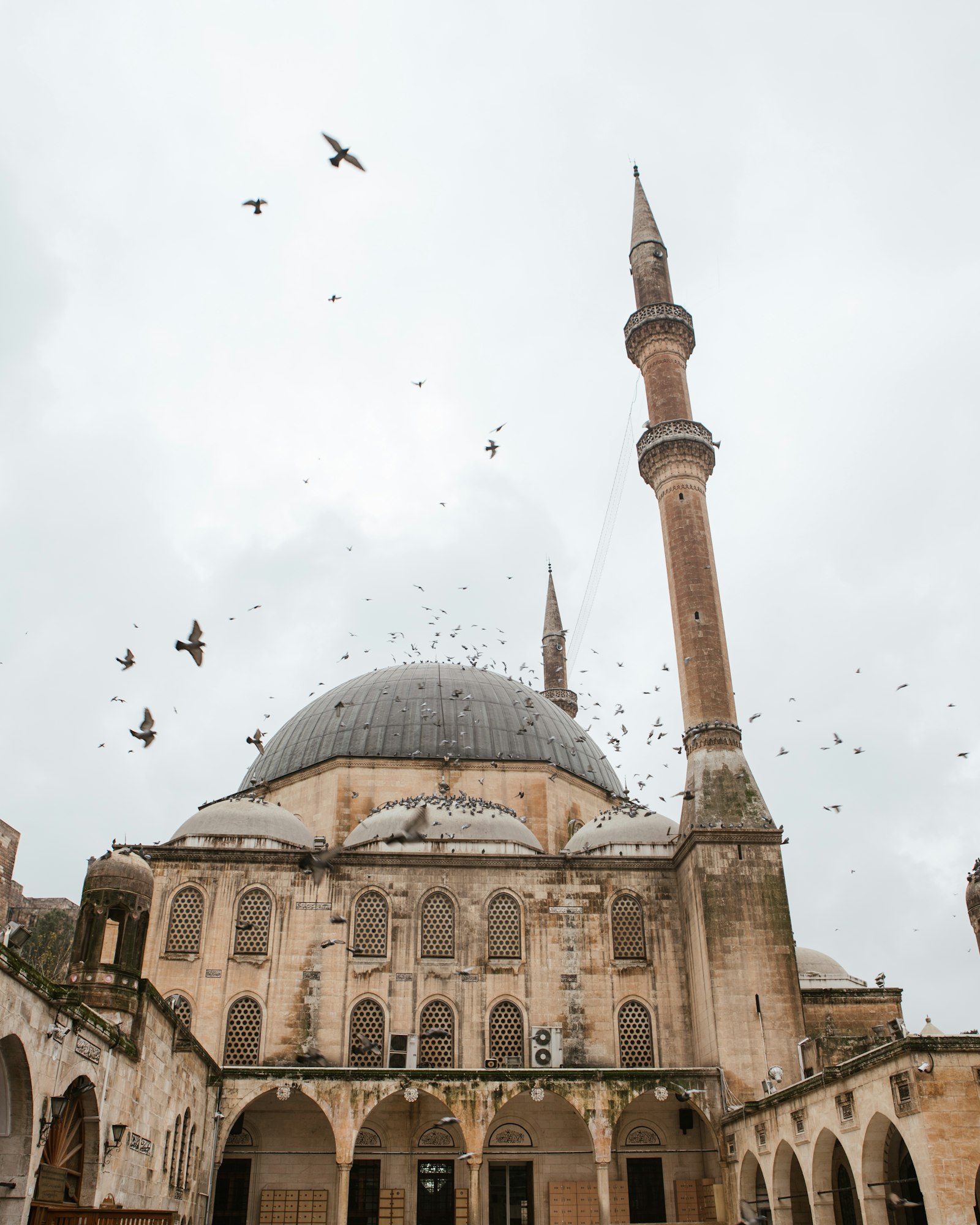
After our overnight journey, we start the day with a breakfast break. Then, after seeing the historic Taş Köprü (Stone Bridge) over the Seyhan River from a panoramic viewpoint, we go to the Adana Sabancı Central Mosque, one of the most important mosques in the region. The 32-meter-diameter main dome corresponds to the 32 fards, the 28 domes in the courtyard correspond to the 28 prophets mentioned in the Quran, the 40 windows in the main dome correspond to the age at which Prophet Muhammad (peace be upon him) became a prophet and to the 40 rak'ahs of prayer, and the 6 minarets, each 99 meters tall, correspond to the 99 beautiful names of Allah. After this architectural mosque visit, we bid farewell to Adana and set off for Gaziantep.
In Gaziantep, we first see the Gaziantep Castle, built on a hill in the city center, from a panoramic viewpoint. Although it is not known when the castle was built, it is known to have been used for observation purposes during the Roman period. The castle has been restored many times throughout history and took its final form after a restoration carried out in the early 2000s. After a short photo stop, we visit the Sedefçiler (Mother-of-Pearl Workers), Baharatçılar (Spice Sellers), Vegetable Market, Historic Paşa Hanı, Tahtani Mosque, Uzun Bazaar, Historic Customs Hanı, Zincirli Bedesten, and Shoemakers' Bazaar, and reach the Coppersmiths' Bazaar. Then we tour the Almacı Market, known as the oldest bazaar in Gaziantep and dating back 250 years. Next, we reach the Tahmis Coffeehouse. Built between 1635 and 1638 by Mustafa Ağa Bin Yusuf, Turkmen Agha and Sanjak Bey, to generate income for the Mevlevi Lodge, the Tahmis Coffeehouse is where we have free time to drink menengiç (wild pistachio) coffee and do some shopping in the bazaars. After our free time, we take a short break to shop for the famous Antep baklava and Antep pistachios.
Then we travel by bus to the Zeugma Mosaic Museum. Zeugma, founded by the Seleucids and later named in Roman language to mean "the bridge joining two banks," was submerged under the waters of the Birecik Dam, after which the floor mosaics of the villas of Roman generals were removed and displayed. Opened in Gaziantep on September 9, 2011, and covering 1,700 square meters, the museum is the third largest mosaic museum in the world. Accompanied by our guide's commentary, we view the world-famous Gypsy Girl mosaic as well as mosaics whose subjects are drawn from Greek mythology. After our museum visit, we head to our hotel. Dinner and overnight stay at the hotel.
Breakfast: To be taken in Adana (extra). Lunch: To be taken in Gaziantep (extra). Dinner: To be taken at the hotel, included in the tour price. Accommodation hotel: Gaziantep Tilmen Hotel or similar.
Day 3: Halfeti – Nemrut Dağı – Diyarbakır
Route: Halfeti – Boat Tour – Rumkale – Sunken Minaret – Adıyaman – Kahta – Karakuş Tumulus – Cendere Bridge – Mount Nemrut – Nissibi Bridge – Diyarbakır – Ten-Eyed Bridge – Tigris River.
After breakfast at the hotel in the morning, we leave our hotel and head to Halfeti, one of the Cittaslow cities of our country.
In Halfeti, part of which remained under the lake after the construction of the Birecik Dam, those of our guests who wish to do so board our boat waiting for us and begin the Halfeti Boat Tour (extra). During the cruise on the dam lake, we will see the King's Daughter Cave, Rumkale, which also largely remained under the lake, and the mosque and minaret of Bilesur Savaşan Village, which remain under the waters of the Euphrates. At the end of our boat tour, we take a short break in Halfeti. Then we head to Adıyaman.
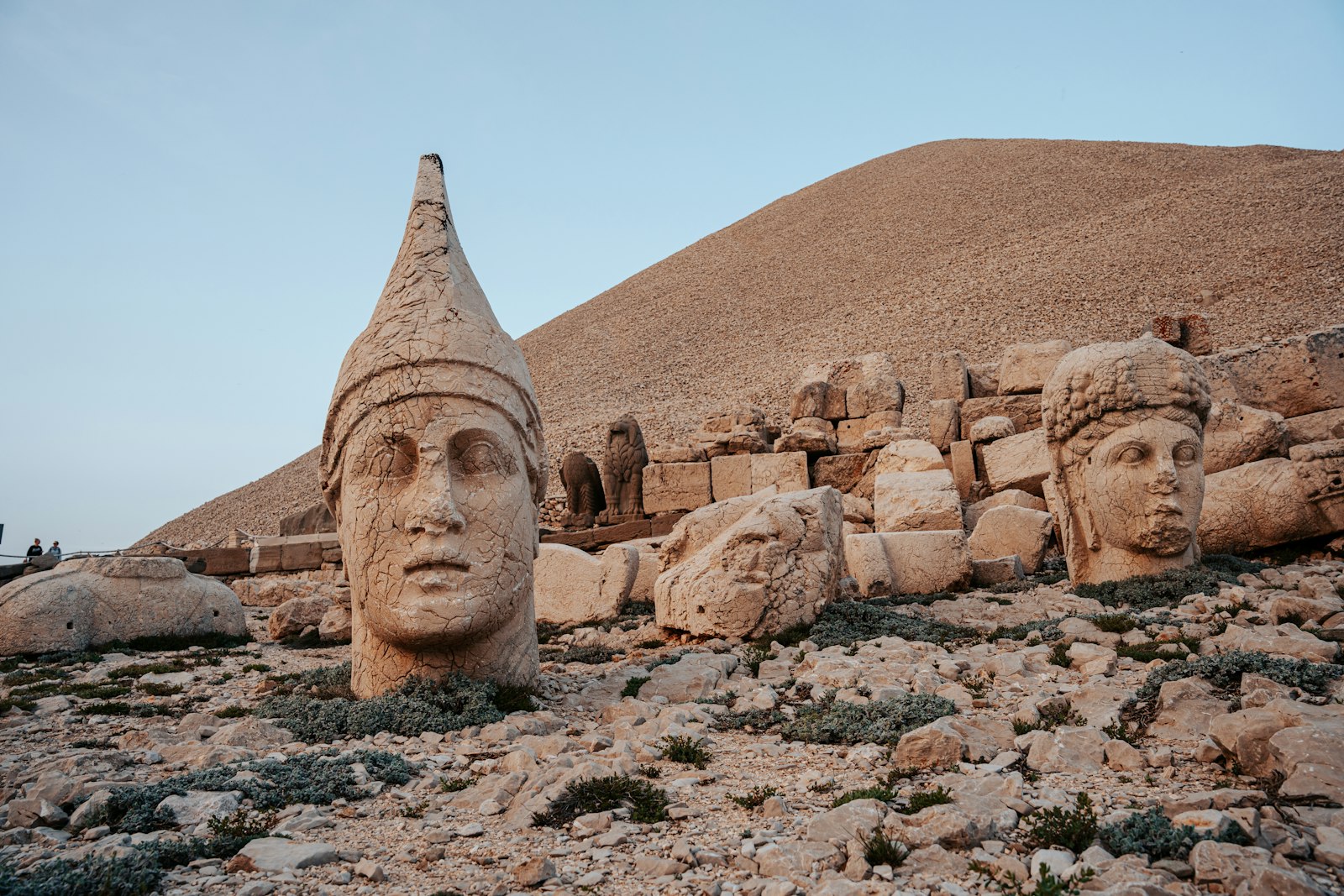
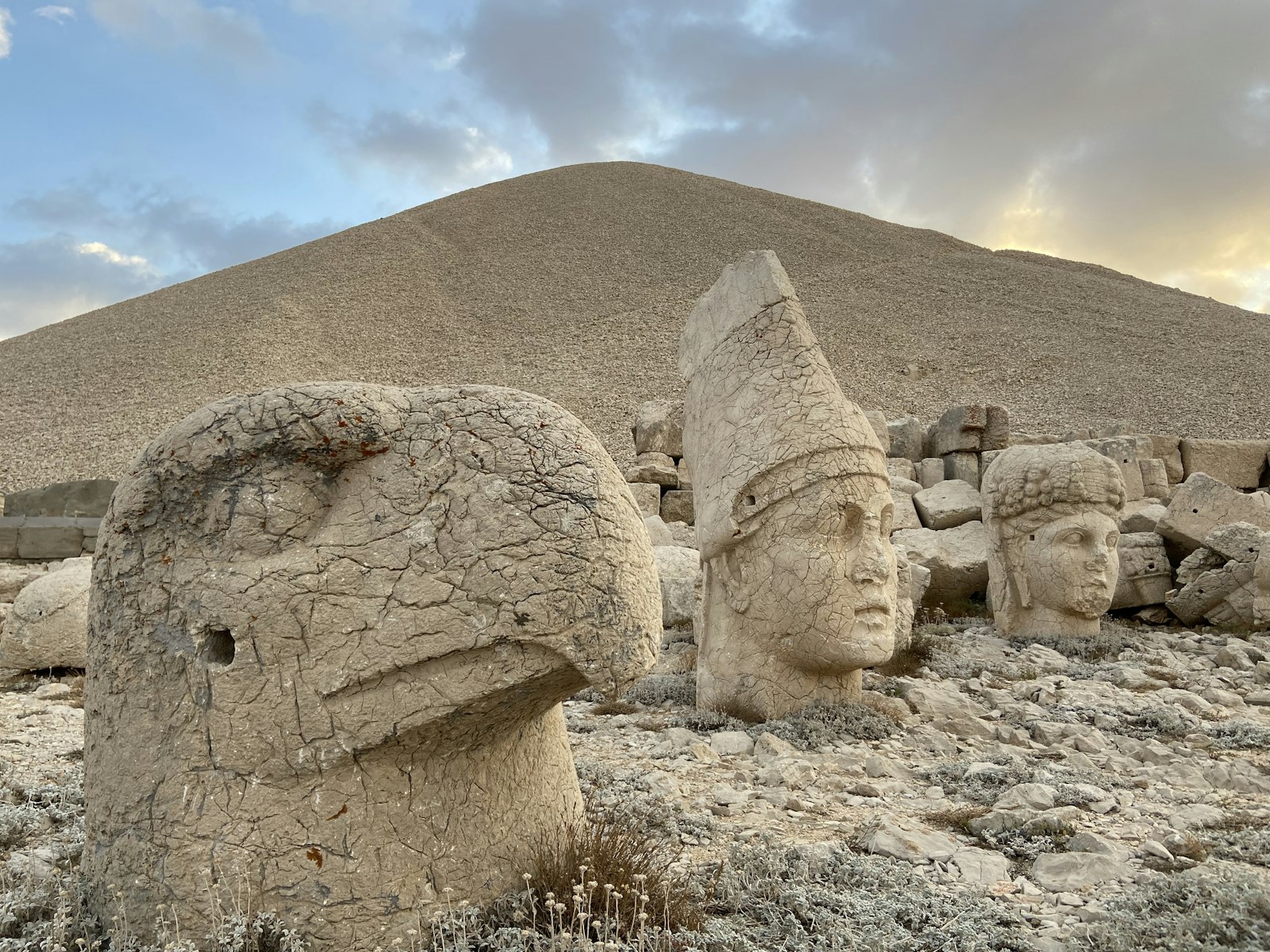
In the Kahta district of Adıyaman, those of our guests who wish to do so board our minibuses waiting for us and begin our Mount Nemrut tour (extra). Our first stop is the Karakuş Tumulus, where the tombs of Mithridates, King of Commagene, and his family are located. Accompanied by a magnificent view and our guide's explanations, we board our minibuses and arrive at the 1,800-year-old Cendere Bridge, built over the Cendere River, one of the most magnificent bridges of the Roman period. After a photo stop here, we begin the ascent of Mount Nemrut, at 2,150 meters, on the Eastern Taurus mountain range. At the summit, at 2,150 m, is the Tumulus of King Antiochus I. On the eastern and western terraces are the giant statues of Zeus (Oromasdes), Apollo, Mithras, Helios, Hermes, Heracles, Artagnes, Ares, Commagene, Tyche and himself, made by Antiochus I. King Antiochus I clearly reinforced the Greco-Persian religion, culture and traditions he brought together in these works. After receiving the necessary information from our guide, we recall Antiochus' testament and enjoy the unique view.
After our Mount Nemrut tour, we cross the Nissibi Bridge, which connects Kahta and Siverek and is known as the Bosphorus Bridge of the East, and head to Diyarbakır, the oldest and most established city of the Southeast. We see and photograph the Hevsel Gardens, located on the banks of the Tigris River, included in the UNESCO World Heritage List in 2015, and which have a unique cultural and historical place beyond their agricultural value. Then we arrive at the Ten-Eyed Bridge. It is said that during Hıdırellez, the local people wrote their wishes on a cloth and threw them from this bridge into the Tigris River. After our photo stop here, we head back to our hotel. Dinner and accommodation at our hotel.
Breakfast: At the hotel, included in the tour price. Lunch: To be taken in Kahta (extra). Dinner: At the hotel, included in the tour price. Accommodation hotel: Diyarbakır Demir Hotel or similar.
Day 4: Diyarbakır – Hasankeyf – Midyat – Mardin
Route: Great Mosque – Hasan Pasha Caravanserai – Four-Legged Minaret – Keçi Tower – Mardin Gate – Batman – Hasankeyf – Midyat – Midyat Guesthouse – Filigree Workshop – Beyazsu – Dara Ancient City – Mardin.
After breakfast at the hotel, we begin exploring Diyarbakır. The Diyarbakır Great Mosque, the most important point of the historic city surrounded by 5 kilometers of walls, will be our first stop. We visit the Great Mosque, the first in Anatolia and the 5th Haram-i Sharif of the Islamic world. Then we visit the largest caravanserai in the region, the Hasan Pasha Caravanserai. Afterwards we visit the Cahit Sıtkı Tarancı Museum House, known for the poem "Yaş otuz beş, yolun yarısı eder" by the Diyarbakır poet (if the house has not opened due to renovation and maintenance work, the visit will not take place). In this house, which has been given separate uses for each season, you will see fine examples of the region's civil architecture. Then we see the Four-Legged Minaret (Şeyh Mutahhar Mosque), built in 1500 by Akkoyunlu Kasım Bey, and the Keçi Tower and Mardin Gate, the oldest of the Diyarbakır walls, known to have a history of 9000 years. After our break at the walls, we head to Hasankeyf in Batman.
Passing through Batman, where Turkey's first oil wells were found, we reach Hasankeyf while panoramically viewing the nodding donkey oil pumps. In Hasankeyf, whose history dates back 12 thousand years, a new settlement was established 3 km away after the construction of the Ilısu Dam was confirmed. On this trip, where we share in the sorrow of Hasankeyf, which has been submerged since February 2020, we see the still-majestic Hasankeyf Castle, the minaret of the El Rızık Mosque and the caves, and then we give free time. During free time, guests who wish may join the boat tour on the Ilısu Dam to see old Hasankeyf up close (extra). After free time, we head to Midyat, the meeting point of religions and languages.
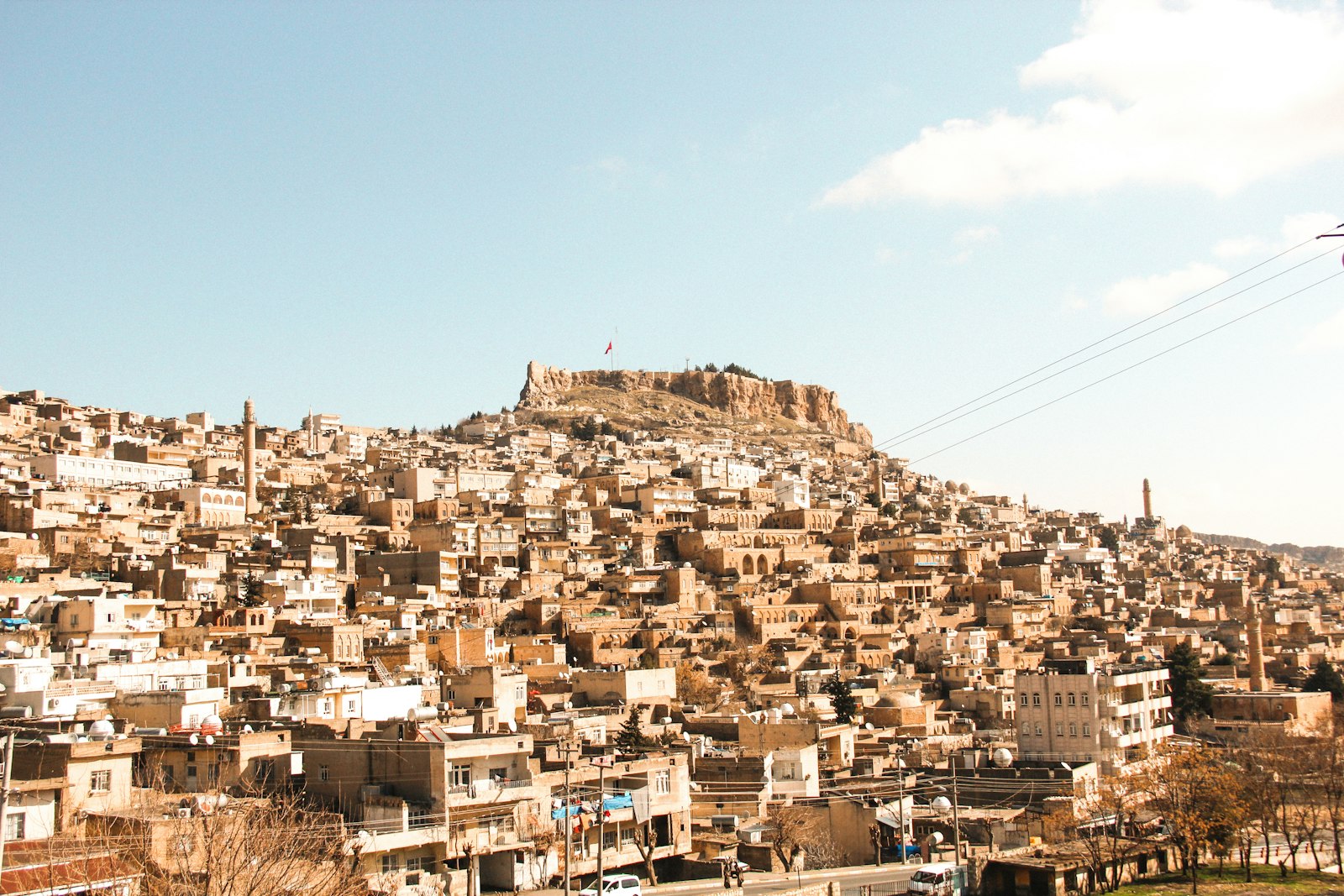
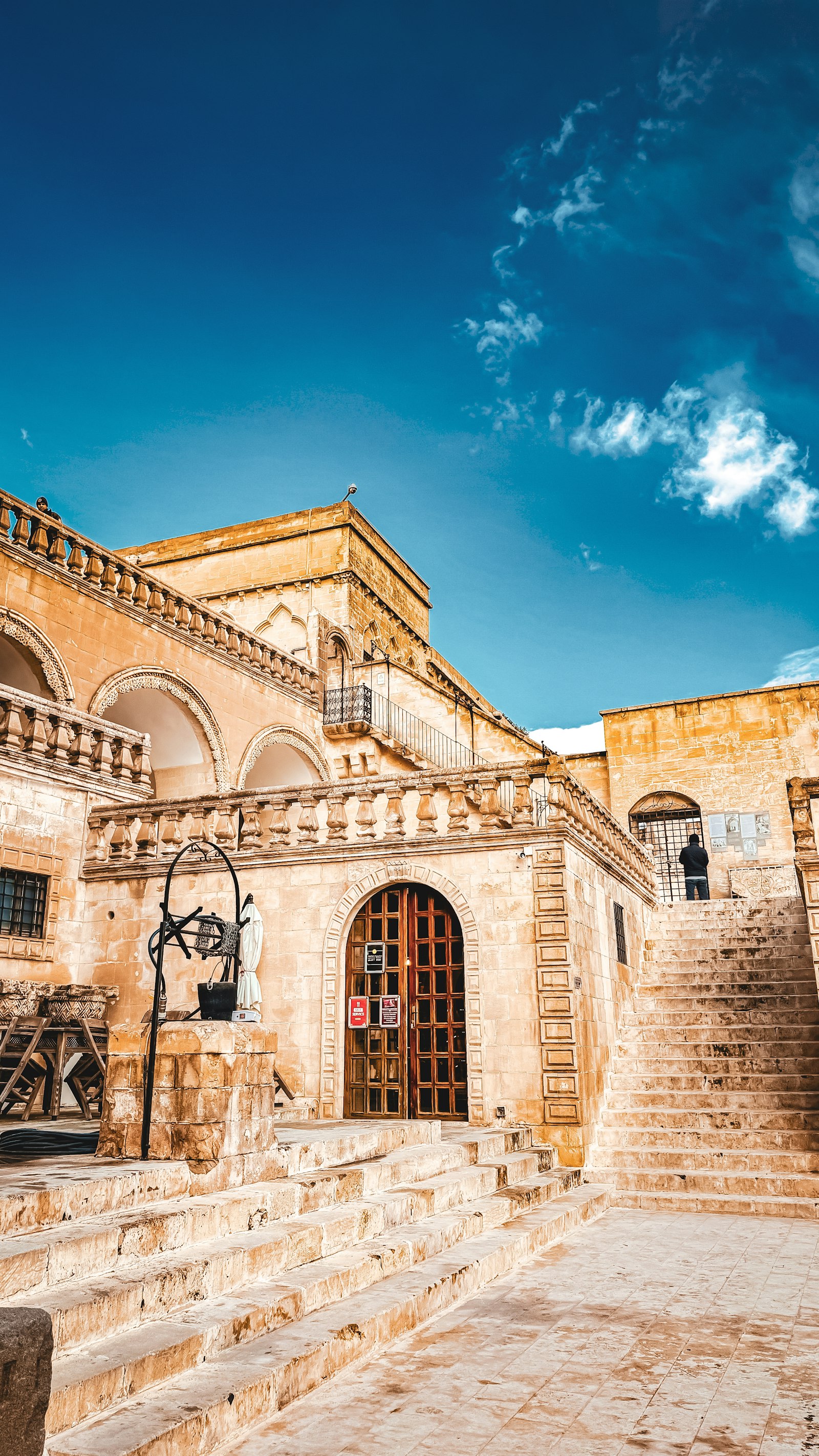
In Midyat we visit the Midyat Guesthouse, where the series Sıla, Hercai and Ah Bir Bulut Olsam were filmed. After the guesthouse visit, we visit the filigree workshop, where we can see and buy examples of the telkari art developed over years by Syriac craftsmen and turned into a culture, and we make our purchases. Then we give free time to wander among the historic Midyat houses. After free time, we take a break to buy local dry coffee and nuts. After shopping, we make our tour of Dara Ancient City and Beyazsu.
We reach Beyazsu, whose source is at the foot of the plateaus and hills south of Midyat. In the dry, treeless geography of Mardin, in Beyazsu with its cool, clear water, trees and greenery, we take a short tea and coffee break. Then we head to Dara Ancient City, located in Oğuz Village 30 km southeast of Mardin, one of the most important settlements of Upper Mesopotamia. We tour Dara Ancient City, consisting of structures carved into rock and spread over a wide area, accompanied by our guide. Then we head toward our hotel. Dinner and accommodation at our hotel.
Guests who wish may join the Mardin Night Tour, which takes place at night, to walk through the old streets of Mardin illuminated at night, or join the Mardin Reyhani Night (extra).
Breakfast: At the hotel, included in the tour price. Lunch: To be taken in Midyat (extra). Dinner: At the hotel, included in the tour price. Accommodation hotel: Midyat Dayman Hotel – Mardin Anemon Hotel etc.
Day 5: Mardin – Şanlıurfa – Göbeklitepe
Route: Mor Gabriel Monastery – Kasımiye Madrasa – Old Mardin – Republic Square – Grand Mosque – Abbaras – Mesopotamian Plain – Şanlıurfa – Göbeklitepe.
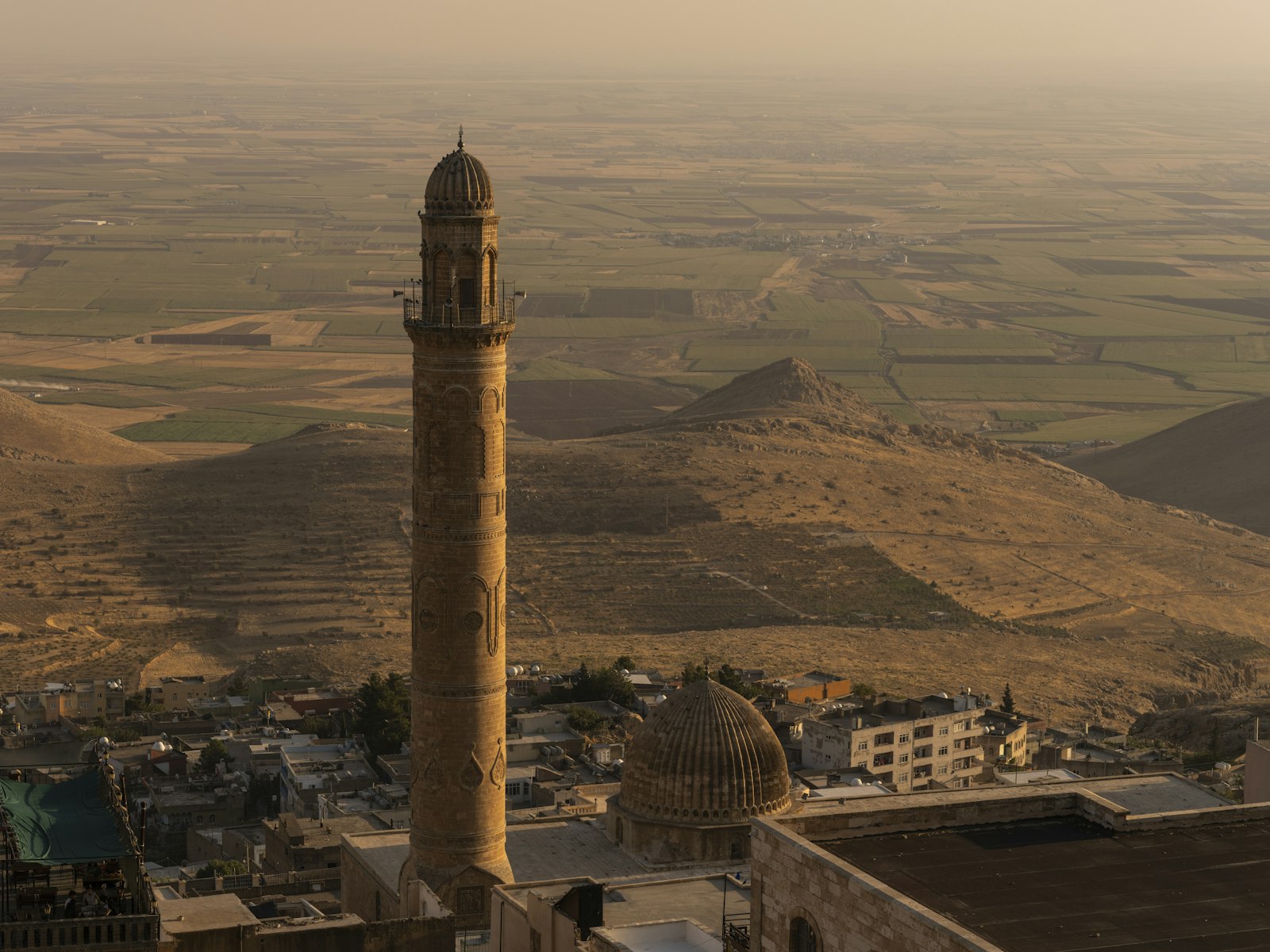
After breakfast at the hotel in the morning, we leave our hotel and head to Mor Gabriel Monastery, where the Syriac Orthodox Patriarchs live. In the monastery, which has a living historical appearance, we visit the Church of Mor Hananyo, the House of the Saints, the Church of the Virgin Mary and the Temple of the Sun with our guide, and after receiving information we give free time. Deyrulzafaran Monastery, with its commanding position overlooking the Mardin Plain and its magnificent architecture, will leave you amazed. After our monastery visit, we head to the Kasımiye Madrasa. Begun in the Artuqid period and completed at the end of the 15th century during the reign of the Akkoyunlu Sultan Kasım ibn Cihangir, we tour and photograph the madrasa while receiving information from our guide, then move on to Old Mardin. We get off our vehicle at Diyarbakır Gate and begin our walk through the streets of Old Mardin. On our walk, which begins at Republic Square, we tour the Grand Mosque of Mardin, one of the architectural examples of the Artuqid period, with our guide. The Grand Mosque of Mardin, the symbol of Mardin with its fluted dome and minaret, is recorded as having been built with two minarets. The inscription on the square base of the mosque's only surviving minaret gives the construction date as 1176. However, today's minaret was built in 1888/1889 in a new and eclectic style. Some Syriac writers claim it was converted from a church. After receiving information from our guide here, we continue our walk, passing under the small tunnels connecting the streets, the Abbaras. We see the Şahtana Mansion, an old mansion that was once used as a PTT (post office) building and known by that name. We take a short break so we can drink our tea of rest facing the Mesopotamian Plain and take magnificent photographs. After our break, we bid farewell to Mardin and head towards Şanlıurfa, the City of Prophets, where Prophet Abraham was born and thrown into the fire, where Prophet Job suffered his trials, and where Prophet Shu'ayb worshipped.
We arrive at Göbeklitepe Mound, located near the village of Örencik in Şanlıurfa, which hosts some of the first temples of Anatolian and world civilization history and is on the UNESCO World Heritage List. With its discovery, Göbeklitepe, which changed not only regional history but human history and dates back 12,000 years, was featured on the cover of National Geographic magazine in recent years under the slogan "The Birthplace of Religion" worldwide. After receiving information from our guide about Göbeklitepe, of which only a small part has been excavated and which is considered the pilgrimage center of the Neolithic age, we head back to our hotel. Guests who wish may join the additional Sıra Gecesi (traditional evening) program, arranged so that we can get to know the regional culture.
Important: Our accommodation in Şanlıurfa is room breakfast. Guests who wish may join the dinner Sıra Gecesi program (extra) for dinner.
Breakfast: At the hotel, included in the tour price. Lunch: To be taken in Mardin (extra). Dinner: To be taken at the Sıra Gecesi (extra). Accommodation hotel: Şanlıurfa Kançul Hotel or similar.
Day 6: Şanlıurfa – Harran – Adana
Route: Balıklı Lake – Aynzeliha Lake – Harran – Harran University – Conical Domed Houses – Prophet Job (Hz. Eyüp) Patience Shrine – Adana.
After breakfast at the hotel in the morning, we leave our hotel and head to Balıklı Lake, one of the first places that comes to mind when Şanlıurfa is mentioned. Balıklı Lake, located southwest of Şanlıurfa city center, is known as the place where Prophet Abraham fell when he was thrown into the fire. With its sacred fish and historical monuments around it, it is one of the most visited places in Şanlıurfa. After seeing Balıklı Lake (Halil-ür Rahman), formed where Abraham was thrown into the fire, and Aynzeliha Lake, said to have been formed from the tears of Zeliha, daughter of Nimrod, and getting information from our guide, we take a photo break. Afterwards, we give you free time to buy local products specific to Şanlıurfa. After the free time, we head to Harran, whose name means "the place where roads intersect." Harran is protected with its conical domed houses, found in only 3 regions in the world. In Harran, which has a 5000-year history and is home to the first Islamic university, we see Harran University (Great Mosque), Harran Mound, the Castle, the Caravanserai and the traditional conical domed Harran houses, and we are hosted in one of them. During our guesthouse visit, you can wear local costumes and take photos. After our Harran tour, we visit the Prophet Job (Hz. Eyyüb) Patience Shrine, where Prophet Job, known for his patience among the prophets, fell ill and suffered, and the cave is located. Here we will see the cave of suffering where Prophet Job was afflicted with an incurable disease and stayed throughout his illness, the water well where it is believed he was cured during his illness, and the patience stone against which he leaned his back. After our visit here, we travel to Adana and end our tour by having dinner in Adana. After dinner, with Wilusa Tour we reach the end of our GAP Tour and begin our return journey.
Breakfast: At the hotel, included in the tour price. Lunch: To be taken in Halfeti (extra). Dinner: To be taken in Adana (extra). Accommodation hotel: There is no hotel accommodation tonight.
Day 7: Ankara – Çanakkale (Return)
Dear guests, later in the night we arrive in Ankara, and after saying goodbye to the guests who joined us from Ankara, we continue our journey towards Çanakkale. When we reach Çanakkale, we drop our guests off at the points where we picked them up in the morning, and we say goodbye, looking forward to meeting again on another Wilusa Tour organization.
Vehicle Departure Points and Times 3 departure points · First departure 18:00
- 18:00 Troy Street Wilusa Garage
- 17:30 Lapseki Teachers' House Front
- 18:30 In front of Biga Shopping Mall
What's Included
- 4 nights accommodation in hotels
- 4 breakfasts with open buffet at the hotel
- 3 dinners with open buffet or set menu at the hotel
- Transportation with luxury vehicles (vehicles are provided according to the number of people)
- Excursions in the surrounding area as specified in the program
- Professional guide service
- Bottled water in the vehicle
- Compulsory travel insurance according to Tourism Law No. 1618
Not Included
- Breakfast on the first day as specified in the program
- Dinner on the last day as specified in the program
- Beverages taken during all meals
- Lunches
- All additional specified organizations
- All personal expenses
- Museum and archaeological site entrance fees (applicable for municipal and private establishments)
- Museum Pass (applicable for museums affiliated with the Ministry of Culture and Tourism)
General Information
- Extra tour fees may vary by period; the stated fees are the current fees on the booking date. Wilusa Tour is not responsible for fee changes that may occur on or before the tour date.
- Accommodation in Şanlıurfa is room with breakfast.
- The tour ends on day 6 in Adana with a dinner; there is no hotel accommodation that night, and the return is by night journey.
- If the Cahit Sıtkı Tarancı House Museum in Diyarbakır is closed for renovation, the visit will not take place.
Price information
- 18.000 ₺ per person in a double room
- Tour fee for accommodation in double rooms is 18.000 ₺ per person. In the campaign visual: special November booking price is 18.000 ₺ per person.
Optional extra tours
Paid extra tours can be selected in the "Extras" section during booking. Fees may vary by period.
- Mardin Night Tour (sightseeing in Old Mardin with illuminated Gerdanlık night) – contact us for the fee
- Book Now & Pay Later. · Make your reservation now, pay anytime before the tour starts.