

Balkan Tour from End to End (With Shopping Stops)
Tour Detail
Culture, Nature and Story-Driven Flexible Discovery Route. No extra tours, no extra fees. 15 different cities, 9 different countries; including Budva Sea Break, Sofia Outlet Break and Dubrovnik Tour.
Dear Guests, welcome to our journey where we will explore the thousand-year history of the Balkans, the intersection points of civilizations and the unique nature of the Adriatic. This guide has been designed to share with you the mysterious myths, unforgettable historical anecdotes and popular cultural traces of the geographies we will pass through. You will experience even more during your tour. Every place we step into has a story, get ready to listen!
Tour Program
Day 1: Çanakkale – Thessaloniki – Bitola – Ohrid
Journey Departure and Border Crossing: Our great Balkan adventure begins with our departure from Çanakkale in the evening. During the night we reach the İpsala Border Gate. After our customs and passport procedures, we continue through Greek territory on a comfortable night journey with strategic rest stops along the route.
Beyond the borders: The bridge over the Meriç River, which separates the İpsala and Kipi border gates, displays two different colors: one half is red and white, the other half is blue and white. As you cross this bridge in the silence of the night, you will be passing through the very heart of a shared Mediterranean and Balkan cultural geography that has endured for centuries, not just the territory of two states.
Ottoman Traces and the Land of Lakes. Arrival in Thessaloniki in the morning. In this city, where Byzantine walls, the Roman Agora and Ottoman heritage intertwine, our first stop will be the Church of St. Demetrius, named after the city's patron saint, and the historic Roman Agora. Then we visit with deep respect the Atatürk House, where the Great Leader Mustafa Kemal Atatürk was born and spent his childhood, now a museum. We walk through the city's symbols: the Arch of Galerius, the palace ruins, the famous White Tower, and the Alexander the Great Monument, where you can feel the Adriatic breeze. After our walk, we give you free time to enjoy the waterfront promenade.
Leaving Thessaloniki, we head toward the North Macedonia border. Upon arrival in the historic city of Manastır (Bitola), we visit the Manastır Military High School (today a city museum), where the military genius of the young Mustafa Kemal took shape. Walking along Shirok Street, the heart of the city, we explore the consulate buildings, the historic fountain and the Old Bazaar. After our tour, we continue to Ohrid, surrounded by greenery.
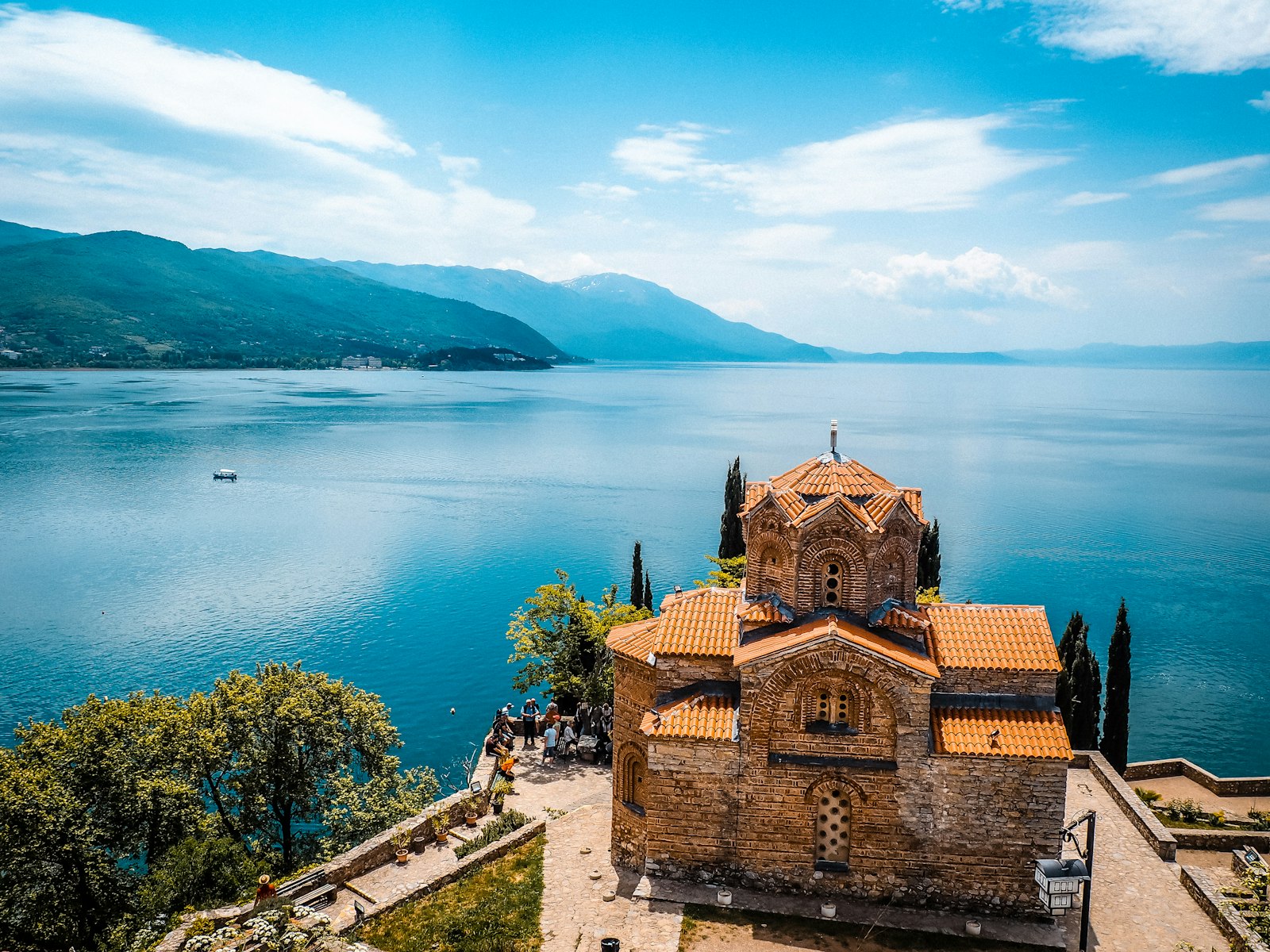
Upon arrival in Ohrid, the pearl of the Balkans, we explore on foot the Historic Plane Tree Square, the Old Bazaar, the Robevi House, the finest example of traditional civil architecture, the Ohrid Hagia Sophia Church, renowned for its acoustics, the iconic Church of St. John (Kaneo), which overlooks the lake from steep cliffs, and the Wooden Pier Path. At the end of the day, after free time by the lakeside, we check into our hotel.
Resneli Niyazi and an Impossible Love: On our way from Manastır to Ohrid, we will pass through the well-known town of Resne. This is the homeland of Resneli Niyazi Bey, the famous leader of the Committee of Union and Progress who took to the mountains. Listen carefully to the stories our guide will tell! Also, while walking on Shirok Street, you may still feel the echo of the sorrowful and impossible love letter that Eleni Karinte wrote to the young Mustafa Kemal, who was studying at the military high school.
Route: Turkey – Greece (Thessaloniki) – North Macedonia (Manastır, Resne, Ohrid).
Places to visit: Church of St. Demetrius, Thessaloniki Roman Agora, Atatürk House Museum, Arch of Galerius, Palace of Galerius, White Tower, Alexander the Great Monument, Manastır Military High School, Shirok Street, Old Bazaar, Eleni's House, Manastır Historic Fountain, Historic Plane Tree, Robevi House, Ohrid Hagia Sophia Church, Church of St. John, Wooden Pier Path.
Day 2: Ohrid – Kalkandelen – Matka Canyon – Skopje
From the Heart of Nature to the Capital. Leaving our hotel in the morning, we head to the Black Drin River, where the immense water sources that feed the lake are found. We have free time to breathe the clean air and take photographs at this enchanting natural wonder, where the water leaves the riverbed and mixes into the lake.
Then we set off toward Kalkandelen, a city fragrant with syrup sweets and history. We visit the Alaca Mosque, which has no equal in the world; it was built using thousands of egg whites and decorated with priceless botanical figures painted with natural dyes. Afterward, we carry out a comprehensive city tour covering the Harabati Baba Tekke, the largest center of Bektashi culture in the Balkans, the historic Stone Bridge, and the Ottoman Hammam.
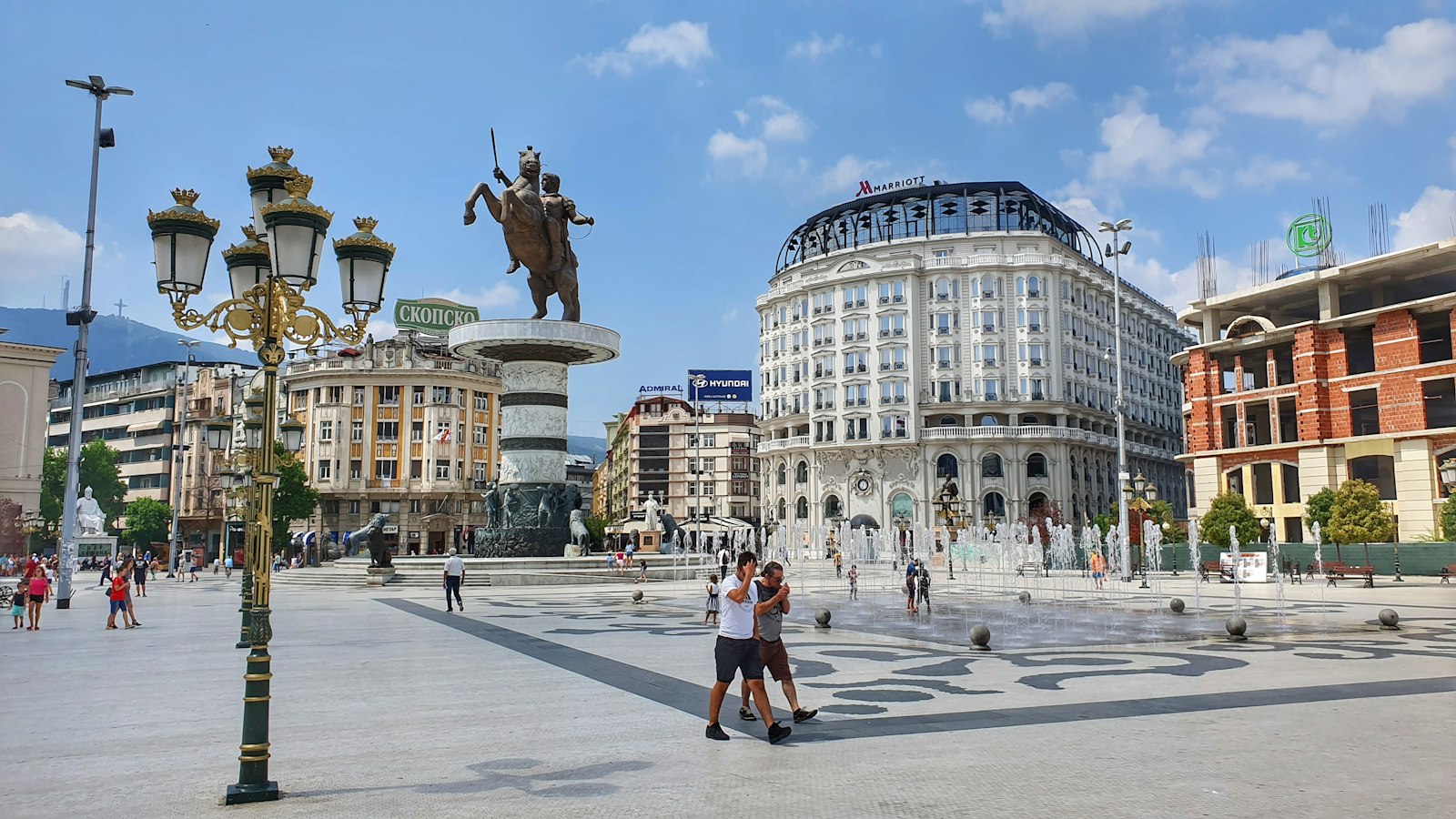
Leaving Kalkandelen, we head toward the natural wonder Matka Canyon. After a walk along the emerald-green river flowing between steep cliffs, we travel to Skopje. In Skopje, the capital of North Macedonia and the city of the poet Yahya Kemal, we see the historic Stone Bridge over the Vardar River, the Old Turkish Bazaar, which preserves the Ottoman spirit with its narrow streets, the Davut Pasha Hammam, the Mustafa Pasha Mosque, the Skopje Fortress, and the massive Equestrian Warrior (Alexander the Great) Monument, which represents the modern face of the city. We then complete our day and move to our hotel.
30 Thousand Egg Whites: The secret behind the famous colors of Kalkandelen's Alaca Mosque is the more than 30,000 egg whites used in its construction! The architect sisters Mensure and Hurşide ensured that the paint would not fade for centuries. In Skopje, pay attention to the two banks separated by the Vardar River: one side is as Ottoman and Balkan as can be, while the other side, adorned with monumental statues, is very modern and neoclassical.
Route: North Macedonia (Ohrid, Black Drin, Kalkandelen, Matka Canyon, Skopje).
Places to visit: Black Drin River, Alaca Mosque, Harabati Baba Tekke, Stone Bridge, Ottoman Hammam, Matka Canyon, Stone Bridge (Skopje), Old Turkish Bazaar, Davut Pasha Hammam, Skopje Mustafa Pasha Mosque, Skopje Fortress, Equestrian Warrior (Alexander the Great Monument).
Day 3: Skopje – Prizren – Shkodra – Budva
Prizren, Shkodra and the Adriatic Dream. Leaving Skopje in the morning, we head towards Prizren in Kosovo, one of the most elegant Ottoman-era cities in the Balkans. We take a pleasant break around the Historic Plane Tree, considered the heart of the city, accompanied by our guide.
After leaving Prizren, we cross the Albanian border, pass through Shkodra, cross the Montenegrin border and reach Budva, the pearl of the Adriatic coast.
The most special moment: a swim break at Budva on the Adriatic! We head to Mogren Beach, the most famous and fairytale-like cove in Montenegro, hidden behind steep cliffs. Passing by the Old Town walls and in front of the famous Ballerina Statue, we reach this unique cove, where we take a wonderful swimming break so you can enjoy the cool, clear waters of the Adriatic Sea. Swimming in the Adriatic under the soft light of the evening sun will make you forget all the fatigue of the road! (Guests who do not wish to swim can enjoy the Mediterranean breeze at the seaside cafés.)
After the swim break, refreshed, we begin our tour of Budva Old City (the historic fortress quarter). After photographing the medieval walls, narrow labyrinthine streets, the historic Budva Citadel and the iconic Ballerina Statue, the symbol of the fortress, under the evening lights, we check in to our hotel.
The Petrified Ballerina: The famous Ballerina Statue in Budva is based on the sorrowful legend of a young woman who waited forever on the shore for her sailor lover, who had vanished among the waves, and who turned to stone there.
Route: Kosovo (Prizren) – Albania (Shkodra) – Montenegro (Budva).
Places to visit: Prizren Historic Plane Tree, Mogren Beach (Swim Break), Budva Old City, Budva Citadel, Ballerina Statue.
Day 4: Budva – Kotor – Dubrovnik
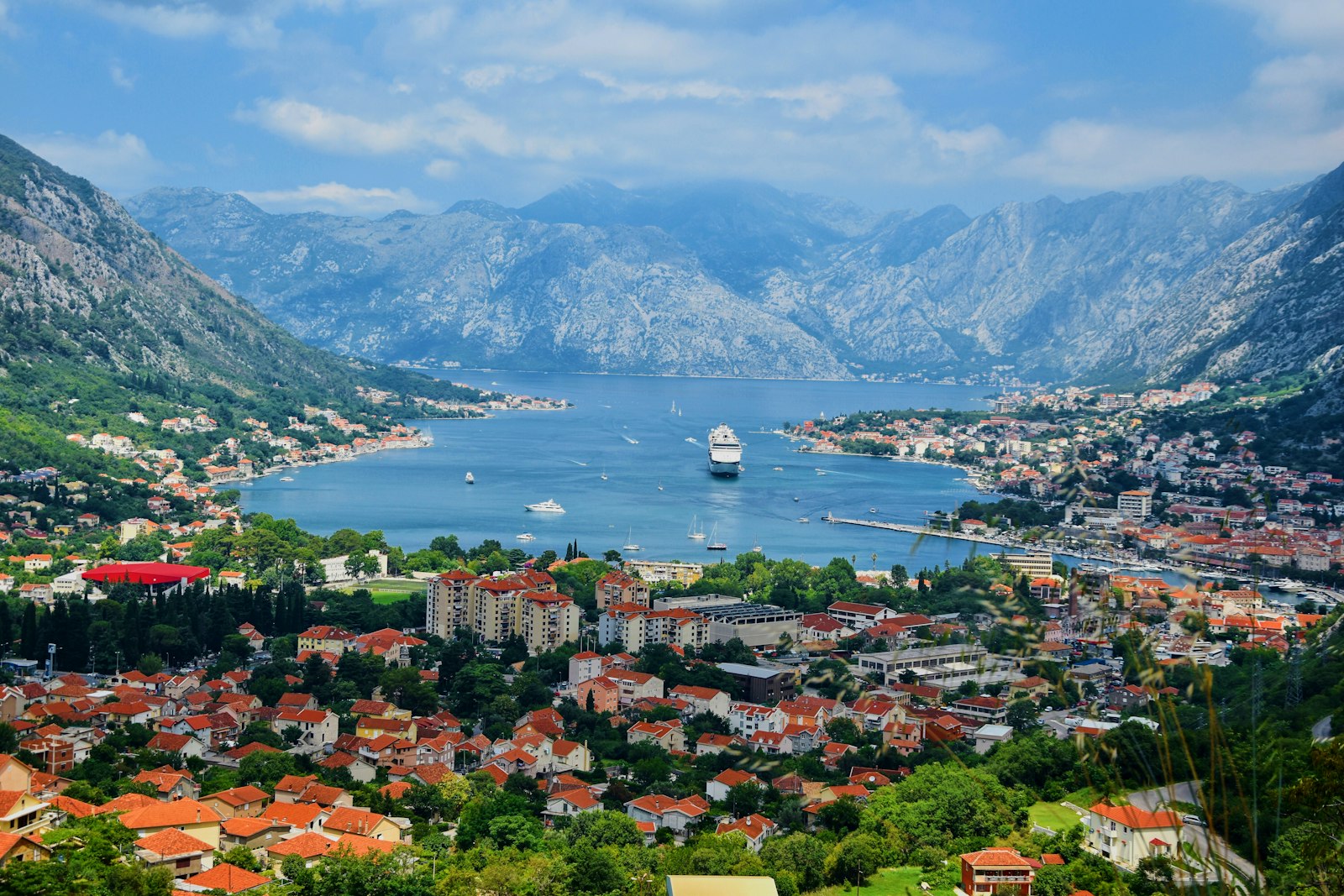
From the Fjords to the Adriatic Walls. In the morning we set off from Budva and travel to Kotor, the unique natural wonder fjord town at the southernmost tip of Europe. We enter the medieval town within the walls through the Sea Gate. Walking through Arms Square, the historic Clock Tower, the masterpiece of Romanesque architecture St. Tryphon Cathedral, the side-by-side St. Nicholas and the miniature St. Luke Churches, and the famous Square of Cats, we feel as if we are traveling through time.
Leaving Kotor, we cross the Croatian border and arrive at Dubrovnik (Ragusa), one of the best-preserved medieval walled cities in the world. Under the guidance of our guide, the historic Stradun Street in the shadow of the towering walls, the centuries-old Big Onofrio Fountain, the Orlando Column, a symbol of independence, the Clock Tower, and the massive City Walls surrounding the town come to life. After our tour, we head to our hotel.
Game of Thrones (King's Landing) and the Kingdom of Cats: Dubrovnik brought to life the setting of King's Landing in the Game of Thrones series. Stradun Street, where we will walk, and the massive walls you will see are the very places that hosted the intrigues of the Lannister dynasty. Kotor, on the other hand, is known for its world-famous cats, which for centuries protected the town from rodents, thereby helping prevent plague outbreaks, and which have today become the town's mascot.
Route: Montenegro (Kotor) – Croatia (Dubrovnik).
Places to visit: Sea Gate, Arms Square, Clock Tower, St. Tryphon Cathedral, St. Nicholas Church, St. Luke Church, Square of Cats, Stradun Street, Big Onofrio Fountain, Orlando Column, Clock Tower (Dubrovnik), City Walls.
Day 5: Dubrovnik – Blagaj – Mostar – Sarajevo
Sorrow and Hope: Mostar and Sarajevo. In the morning we leave Dubrovnik, enter Bosnia and Herzegovina, and head toward Blagaj. We visit the 500-year-old Dervish (Alperen) Tekke built at the foot of the massive cliff where the Buna River springs forth. The roar of the water and the peaceful atmosphere will enchant us.
After a short drive we reach the river city of Mostar. Among our stops are the noble Mostar Bridge, built by Mimar Hayreddin, a student of Mimar Sinan, which joins civilizations and rose from its ashes after being destroyed in war; the Old Town (Jewellers' Bazaar); the Koski Mehmed Pasha Mosque, which offers the most beautiful view of the river; and the architecturally marvelous Crooked Bridge. After our visit, we continue to Sarajevo along a mountain route with breathtaking views stretching along the Neretva River canyon, and we settle into our hotel.
The Leap of Courage: The Mostar Bridge is a symbol of peace that connects not only the two banks but also Croats and Muslim Bosniaks. According to local tradition, young men who wish to marry prove their courage by diving from this bridge into the cold waters of the Neretva, a custom followed for centuries. At the Blagaj Tekke, it is believed that praying at the source of the Buna River, where thousands of liters of water gush out every second, soothes the soul.
Route: Croatia (Dubrovnik) – Bosnia and Herzegovina (Blagaj, Mostar, Sarajevo).
Places to visit: Blagaj Tekke, Mostar Bridge, Old Town Tour, Koski Mehmed Pasha Mosque, Crooked Bridge, arrival in Sarajevo.
Day 6: Sarajevo – Belgrade
Where Cultures Meet, From the Sarajevo to the White City. Our morning city tour of Sarajevo begins. We walk through the heart of the city, Baščaršija, past the historic Latin Bridge where the assassination that sparked the outbreak of World War I took place, the magnificent Town Hall (National Library) from the Austro-Hungarian period, and along Ferhadija Street, where a line on the ground marks the divide between East and West.
We leave Sarajevo and head toward Belgrade, the capital of Serbia. Upon arriving in Belgrade, which means "White City," we visit Knez Mihailova Street, the liveliest spot in the city, the Belgrade Fortress (Kalemegdan) built on the magnificent hill where the Sava and Danube rivers meet, the Monument to Respect for France, the Inner Istanbul Gate, the Clock Tower, the Leopold Gate, the Dungeon Gate, the Upper Fortress complex, and the Victor Monument, the protector of the city. Then we check into our hotel.
The Bullet That Changed the World: The Latin Bridge in Sarajevo is the place where, in 1914, Archduke Franz Ferdinand of Austria-Hungary was shot by Gavrilo Princip, igniting the fuse of World War I. The name Kalemegdan in Belgrade comes from the combination of the Turkish words "Kale" (fortress) and "Meydan" (square).
Route: Bosnia and Herzegovina (Sarajevo) – Serbia (Belgrade).
Places to visit: Baščaršija, Latin Bridge, Town Hall / National Library, Ferhadija Street, Knez Mihailova Street, Belgrade Fortress, Monument to Respect for France, Inner Istanbul Gate, Clock Tower, Leopold Gate, Dungeon Gate, Upper Fortress, Victor Monument.
Day 7: Belgrade – Sofia – Çanakkale
Sofia Panorama, Big Shopping and Return Home. Departing from Belgrade, we cross the Bulgarian border and head toward the capital, Sofia. Upon arrival in Sofia, we take a quick panoramic city tour and see its historic buildings.
The most advantageous moment: Sofia Outlet and Mall shopping! A shopping stop planned at the strong request of our guests before our return journey. At Sofia's most famous mall and outlet center, you can find world-renowned brands at advantageous prices and comfortably stock up on the famous chocolates and cheeses of the Balkans, local delicacies and souvenirs. Since our luggage allowance is flexible on bus tours, enjoy your shopping to the fullest!
Having completed our shopping, we set off from Sofia toward the Turkish border. Following the Plovdiv (Philippopolis) route, we reach the Kapıkule or İpsala border gate. Depending on customs conditions, we arrive in Çanakkale during the night hours, and we say goodbye until our next tours.
City of Wisdom: Sofia takes its name from the sacred Church of Saint Sophia, meaning Wisdom. The city's motto: It grows but never grows old. While shopping, don't forget to look at the famous Kashkaval cheese of the Balkans and cosmetic products containing rose water!
Route to be traveled: Serbia (Belgrade) – Bulgaria (Sofia, Plovdiv) – Turkey (Çanakkale).
Places to visit and see: Sofia Panoramic Tour, Sofia Outlet-Mall Shopping, Border Gate Crossing, Arrival in Çanakkale.
Vehicle Departure Points and Times 1 departure points
- 1 Çanakkale (Departing in the Evening)
What's Included
- Round-trip transportation
- Total of 6 nights bed and breakfast accommodation
- Guiding services
- Professional liability insurance
- All city tours mentioned in the program
- In-vehicle water service
- Dubrovnik city entrance fee
- Kotor city entrance fee
- All tours and excursions specified in the program
- Local guide fees that must be paid
Not Included
- All personal expenses
- All meals (excluding breakfast)
- Overseas departure tax
- Museum and archaeological site entrance fees
General Information
- Border crossing times depend entirely on the congestion at the border gates, and these congestion levels have been taken into account in the tour planning; our guide will manage the procedures as quickly as possible.
- In case of congestion occurring unexpectedly (system failures, strikes), your guide will provide the necessary direction.
- There are no extra tours and no extra fees; the Dubrovnik and Kotor city entry fees are included in the price.
- Single room accommodation price is 680 € (price per person 500 €).
Price information
- 500 € per person in a double room
- 680 € in a single room
- Price per person: 500 €. Single accommodation price: 680 €.
Tour dates
Contact us for current departure dates and prices.
What to bring with you?
- Passport (in an easily accessible place throughout the tour)
- Swimsuit, towel and slippers (in a small handbag for the Budva beach stop)
- Pillow or travel neck pillow (for the bus journey)